Deskripsi Produk
Key attributes of pto cardan shaft turbine generator shaft optical axis universal joint shaft
Industry-specific attributes of pto cardan shaft turbine generator shaft optical axis universal joint shaft
| CNC Machining or Not | Cnc Machining |
| Material Capabilities | Aluminum, Brass, Bronze, Copper, Hardened Metals, Precious Metals, Stainless steel, Steel Alloys |
Other attributes of pto cardan shaft turbine generator shaft optical axis universal joint shaft
| Place of Origin | ZheJiang , China |
| Type | Broaching, DRILLING, Etching / Chemical Machining, Laser Machining, Milling, Other Machining Services, Turning, Wire EDM |
| Model Number | OEM |
| Brand Name | OEM |
| Material | Metal |
| Process | Cnc Machining+deburrs |
| Surface treatment | Customer’s Request |
| Equipment | CNC Machining Centres / Core moving machine / precision lathe / Automatic loading and unloading equipment |
| Processing Type | Milling / Turning / Stamping |
| OEM/ODM | OEM & ODM CNC Milling Turning Machining Service |
| Drawing Format | 2D/(PDF/CAD)3D(IGES/STEP) |
| Our Service | OEM ODM Customers’drawing |
| Materials Avaliable | Stainless Steel / Aluminum / Metals / Copper / Plastic |
Best Seller of 304 Stainless Steel Polishing Finishing CNC Machining Bracket for Laser Cutting
About YiSheng
| Business Type | Factory / Manufacturer |
| Service | CNC Machining |
| Turning and Milling | |
| CNC Turning | |
| OEM Parts | |
| Material | 1). Aluminum: AL 6061-T6, 6063, 7075-T etc |
| 2). Stainless steel: 303,304,316L, 17-4(SUS630) etc | |
| 3). Steel: 4140, Q235, Q345B,20#,45# etc. | |
| 4). Titanium: TA1,TA2/GR2, TA4/GR5, TC4, TC18 etc | |
| 5). Brass: C36000 (HPb62), C37700 (HPb59), C26800 (H68), C22000(H90) etc | |
| 6). Copper, bronze, Magnesium alloy, Delrin, POM,Acrylic, PC, etc. | |
| Finish | Sandblasting, Anodize color, Blackenning, Zinc/Nickl Plating, Polish, |
| Power coating, Passivation PVD, Titanium Plating, Electrogalvanizing, | |
| electroplating chromium, electrophoresis, QPQ(Quench-Polish-Quench), | |
| Electro Polishing,Chrome Plating, Knurl, Laser etch Logo, etc. | |
| Main Equipment | CNC Machining center, CNC Lathe, precision lathe |
| Automatic loading and unloading equipment | |
| Core moving machine | |
| Drawing format | STEP,STP,GIS,CAD,PDF,DWG,DXF etc or samples. |
| Tolerance | +/-0.001mm ~ +/-0.05mm |
| Surface roughness | Ra 0.1~3.2 |
| Test Equipment | Complete test lab with Projector, High-low temperature test chamber, Tensile tester Gauge, Salt fog test |
| Inspection | Complete inspection lab with Micrometer, Optical Comparator, Caliper Vernier,CMM |
| Depth Caliper Vernier, Universal Protractor, Clock Gauge | |
| Capacity | CNC turning work range: φ0.5mm-φ150mm*300mm |
| CNC center work range: 510mm*850mm*500mm | |
| Core moving machine work range: φ32mm*85mm | |
| Gerenal Tolerance: (+/-mm) |
CNC Machining: 0.005 |
| Core moving: 0.005 | |
| Turning: 0.005 | |
| Grinding(Flatness/in2): 0.003 | |
| ID/OD Grinding: 0.002 | |
| Wire-Cutting: 0.002 |
RFQ of pto cardan shaft turbine generator shaft optical axis universal joint shaft
| After-sales Service: | Y |
|---|---|
| Warranty: | Negotiate |
| Condition: | New |
| Kustomisasi: |
Tersedia
| Permintaan Khusus |
|---|
.shipping-cost-tm .tm-status-off{background: none;padding:0;color: #1470cc}
|
Biaya Pengiriman:
Perkiraan biaya pengiriman per unit. |
tentang biaya pengiriman dan perkiraan waktu pengiriman. |
|---|
| Metode Pembayaran: |
|
|---|---|
|
Pembayaran Awal Pembayaran Penuh |
| Mata uang: | US$ |
|---|
| Pengembalian & Penggantian Dana: | Anda dapat mengajukan pengembalian dana hingga 30 hari setelah menerima produk. |
|---|
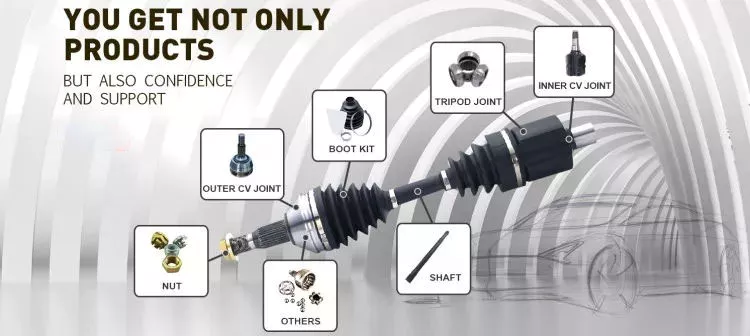
What factors should be considered when selecting the right PTO shaft for an application?
When selecting the right Power Take-Off (PTO) shaft for an application, several factors need to be considered to ensure optimal performance, safety, and compatibility. PTO shafts are crucial components that transmit power from a power source to driven machinery or equipment. Here are the key factors to consider when selecting the appropriate PTO shaft for an application:
1. Power Requirements: The power requirements of the driven machinery play a vital role in determining the appropriate PTO shaft. Consider the horsepower (HP) or kilowatt (kW) rating of the power source and ensure that the PTO shaft can handle the required power transmission. It is essential to match the power capacity of the PTO shaft with the power output of the power source to ensure efficient and reliable operation.
2. Speed and Torque Requirements: Consider the speed and torque requirements of the driven machinery. Determine the desired rotational speed and torque levels necessary for the equipment to operate effectively. Some applications require specific speed or torque ratios, while others may require variable speeds. Ensure that the selected PTO shaft can handle the required speed and torque range to provide the necessary power transfer.
3. Shaft Type and Design: Evaluate the type and design of the PTO shaft to ensure compatibility with the application. Consider factors such as the distance between the power source and the driven machinery, the need for angular misalignment, and the flexibility of movement required. Different shaft types, such as standard, telescopic, or Constant Velocity (CV) shafts, offer varying capabilities to accommodate different application requirements.
4. Safety Considerations: Safety is a critical factor when selecting a PTO shaft. Assess the safety features provided by the PTO shaft, such as protective guards, shear bolt mechanisms, or other safety devices. Protective guards should be in place to prevent accidental contact with the rotating shaft. Shear bolt mechanisms can protect the driveline components from damage in case of excessive torque or sudden resistance. Prioritize safety features that align with the specific hazards and risks associated with the application.
5. Application Specifics: Consider the unique requirements of the application. Factors such as the type of machinery, industry sector, environmental conditions, and operating conditions should be taken into account. For example, agricultural applications may require PTO shafts that can handle debris and dirt accumulation, while industrial applications may require PTO shafts with high corrosion resistance or special sealing to protect against contaminants.
6. Compatibility and Interchangeability: Ensure that the selected PTO shaft is compatible with the power source and the driven machinery. Consider factors such as the shaft diameter, spline size, and connection type. Check if the PTO shaft adheres to industry standards and if it can be easily interchanged with other compatible components in case of replacement or upgrading needs. Compatibility and interchangeability can simplify maintenance and reduce downtime.
7. Manufacturer and Quality: Choose a reputable manufacturer or supplier to ensure the quality and reliability of the PTO shaft. Look for manufacturers with a track record of producing high-quality PTO shafts that meet industry standards and regulations. Consider factors such as warranty, after-sales support, and availability of spare parts when making a selection.
By considering these factors, you can select the right PTO shaft that meets the power, speed, torque, safety, and application requirements. It is advisable to consult with experts, such as equipment manufacturers or PTO shaft specialists, to ensure an optimal match between the PTO shaft and the application.
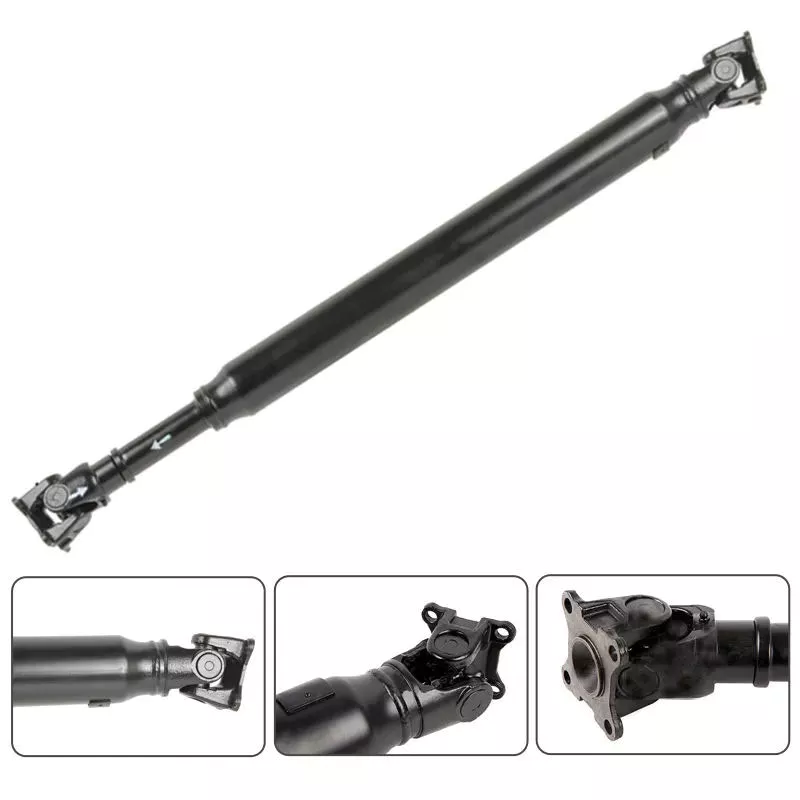
Are there any limitations or disadvantages associated with PTO shafts?
While PTO (Power Take-Off) shafts offer numerous advantages in terms of power transfer and versatility, they also have certain limitations and disadvantages. It’s important to consider these factors when using PTO shafts to ensure safe and efficient operation. Here’s a detailed explanation of some limitations and disadvantages associated with PTO shafts:
1. Safety Hazards: One of the primary concerns with PTO shafts is the potential for safety hazards. PTO shafts rotate at high speeds and can pose a significant risk if not properly guarded or handled. Accidental contact with an exposed or inadequately shielded PTO shaft can result in severe injuries, including entanglement, amputation, or even fatalities. It is crucial to follow safety guidelines, implement proper guarding, and ensure that operators are well-trained on safe handling practices to mitigate these risks.
2. Maintenance and Lubrication: PTO shafts require regular maintenance and lubrication to ensure optimal performance and longevity. The moving parts, such as universal joints and splines, need to be inspected, cleaned, and lubricated at recommended intervals. Neglecting maintenance can lead to premature wear, decreased efficiency, and potential failures. Proper maintenance practices, including regular inspections and timely lubrication, are essential to mitigate these issues.
3. Alignment and Angles: PTO shafts rely on proper alignment and angles to ensure efficient power transfer. Misalignment or excessive angles between the power source and driven machinery can cause increased wear and strain on the components, leading to premature failure. Ensuring proper alignment and angle adjustment, using adjustable sliding yokes or other means, is important to prevent excessive stress on the PTO shaft and associated equipment.
4. Length Limitations: PTO shafts have limitations on their maximum and minimum length due to engineering constraints. The telescoping design allows for some adjustment, but there is a practical limit to how much the shaft can extend or retract. If the distance between the power source and driven machinery exceeds the maximum or falls below the minimum length of the PTO shaft, alternative solutions or modifications may be required. In some cases, additional components such as drive shaft extensions or gearboxes may be necessary to bridge the distance.
5. Compatibility: While manufacturers strive to ensure compatibility, there can still be challenges in finding the right PTO shaft for specific equipment configurations. Equipment may have unique requirements in terms of spline sizes, torque ratings, or connection methods that may not be readily available or compatible with off-the-shelf PTO shafts. Customization may be required to address these compatibility issues, which can result in increased costs or lead times.
6. Noise and Vibrations: PTO shafts in operation can generate significant noise and vibrations, especially at higher speeds. This can be a nuisance for operators and may require additional measures to reduce noise levels or dampen vibrations. Excessive vibrations can also affect the overall performance and lifespan of the PTO shaft and connected equipment. Implementing vibration dampeners or using flexible couplings can help mitigate these issues.
7. Power Limits: PTO shafts have specific power limits based on their design, materials, and components. Exceeding these power limits can lead to premature wear, component failures, or even shaft breakage. It is crucial to understand and adhere to the recommended power ratings for PTO shafts to ensure safe and reliable operation. In some cases, upgrading to a higher-capacity PTO shaft or implementing additional power transmission components may be necessary to accommodate higher power requirements.
8. Complex Installation and Removal: Installing and removing PTO shafts can be a complex process, especially in confined spaces or when dealing with heavy equipment. It may require aligning splines, engaging couplings, and securing locking mechanisms. Improper installation or removal techniques can lead to damage to the shaft or associated equipment. Proper training, handling equipment, and following manufacturer guidelines are essential to simplify and ensure the safe installation and removal of PTO shafts.
Despite these limitations and disadvantages, PTO shafts remain widely used and valuable components for power transfer in various industries. By addressing these considerations and implementing proper safety measures, maintenance practices, and alignment procedures, the potential drawbacks of PTO shafts can be effectively mitigated, allowing for safe and efficient operation.
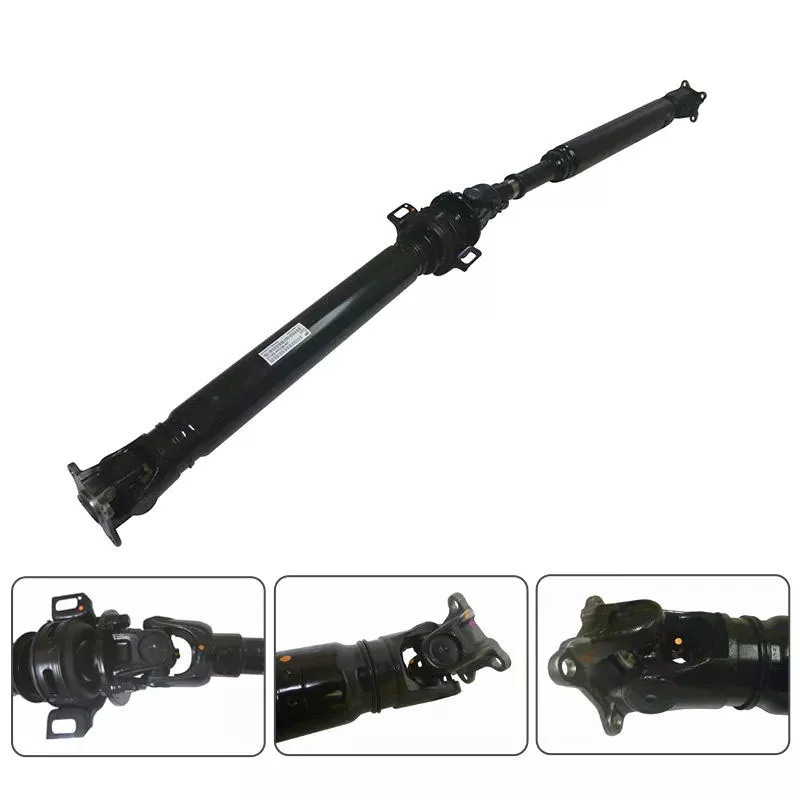
Apa saja manfaat yang ditawarkan oleh poros PTO untuk berbagai jenis mesin?
Poros PTO (Power Take-Off shafts) menawarkan beberapa manfaat untuk berbagai jenis mesin dalam aplikasi pertanian dan industri. Poros ini menyediakan cara transmisi daya yang fleksibel dan efisien, memungkinkan mesin untuk melakukan tugas dan fungsi tertentu. Berikut penjelasan rinci tentang manfaat yang ditawarkan poros PTO untuk berbagai jenis mesin:
Fleksibilitas: Poros PTO (Power Take-Off) berkontribusi pada fleksibilitas mesin dengan memungkinkan mesin tersebut digerakkan oleh sumber daya umum, seperti traktor atau mesin. Ini berarti bahwa satu sumber daya dapat digunakan untuk menggerakkan berbagai alat atau mesin hanya dengan menghubungkan dan melepaskan poros PTO. Misalnya, di bidang pertanian, traktor yang dilengkapi dengan poros PTO dapat menggerakkan berbagai alat seperti mesin pemotong rumput, mesin pengepak jerami, mesin pengolah tanah, alat penyemprot, dan alat pengangkut biji-bijian. Demikian pula, dalam aplikasi industri, poros PTO memungkinkan penggunaan satu mesin atau motor untuk menggerakkan berbagai mesin atau peralatan, seperti generator, pompa, kompresor, dan mixer industri.
Efisiensi: Poros PTO menawarkan metode transfer daya yang efisien dari sumber daya ke mesin. Dengan menghubungkan langsung sumber daya ke mesin yang digerakkan, poros PTO meminimalkan kehilangan energi yang mungkin terjadi dengan metode transmisi daya lainnya. Transfer daya langsung ini menghasilkan peningkatan efisiensi dan kinerja mesin secara keseluruhan. Selain itu, poros PTO memungkinkan penyesuaian kecepatan putaran dan keluaran daya agar sesuai dengan kebutuhan mesin tertentu, memastikan pengoperasian yang optimal dan mengurangi konsumsi energi yang tidak perlu.
Penghematan Biaya: Penggunaan poros PTO dapat menghemat biaya dalam berbagai cara. Pertama, dengan memanfaatkan satu sumber daya untuk menggerakkan beberapa mesin atau peralatan, kebutuhan akan mesin atau motor terpisah untuk setiap peralatan dihilangkan, sehingga mengurangi biaya modal. Kedua, poros PTO menghilangkan kebutuhan akan bahan bakar atau sumber energi tambahan, karena memanfaatkan sumber daya yang sudah ada, sehingga mengurangi pengeluaran bahan bakar atau energi. Selain itu, fleksibilitas yang ditawarkan oleh poros PTO memungkinkan pemanfaatan peralatan yang lebih baik, memaksimalkan pengembalian investasi.
Fleksibilitas: Poros PTO memberikan fleksibilitas dalam hal pengaturan dan konfigurasi peralatan. Panjangnya dapat disesuaikan atau dilengkapi dengan bagian teleskopik, memungkinkan adaptasi yang mudah terhadap berbagai pengaturan peralatan dan jarak yang bervariasi antara sumber daya dan mesin yang digerakkan. Fleksibilitas ini memungkinkan operator untuk dengan cepat menghubungkan dan melepaskan poros PTO sesuai kebutuhan, memfasilitasi perubahan peralatan yang efisien dan mengurangi waktu henti. Selain itu, kemampuan untuk menyesuaikan kecepatan putaran dan daya keluaran poros PTO menambah fleksibilitas lebih lanjut, mengakomodasi persyaratan khusus dari berbagai mesin dan aplikasi.
Kemudahan Penggunaan: Poros PTO relatif mudah digunakan, sehingga dapat diakses oleh operator dengan pelatihan minimal. Proses menghubungkan dan melepaskan poros PTO cukup mudah, seringkali hanya melibatkan mekanisme kopling atau penguncian sederhana. Kemudahan penggunaan ini meningkatkan pengoperasian peralatan, memungkinkan operator untuk dengan cepat beralih antara berbagai alat atau mesin tanpa usaha yang signifikan atau prosedur yang memakan waktu. Selain itu, transfer daya langsung melalui poros PTO menyederhanakan pengoperasian peralatan, karena mesin dapat ditenagai oleh sumber daya yang ada tanpa memerlukan kontrol tambahan atau sistem manajemen daya.
Peningkatan Produktivitas: Poros PTO berkontribusi pada peningkatan produktivitas dalam operasi pertanian dan industri. Dengan memungkinkan penggunaan konfigurasi mesin yang serbaguna, operator dapat melakukan berbagai tugas menggunakan satu sumber daya. Hal ini menghilangkan kebutuhan akan tenaga kerja manual atau penggunaan banyak mesin, menyederhanakan alur kerja dan mengurangi waktu yang dibutuhkan untuk menyelesaikan berbagai operasi. Efisiensi dan keandalan transfer daya melalui poros PTO juga berkontribusi pada peningkatan produktivitas dengan memastikan pengoperasian mesin yang konsisten dan efektif, sehingga menghasilkan peningkatan hasil dan pengurangan waktu henti.
Keamanan: Meskipun tidak berhubungan langsung dengan kinerja mesin, poros PTO juga menawarkan manfaat keselamatan. Penerapan pelindung atau pengaman pada poros PTO membantu mencegah kontak yang tidak disengaja dengan poros yang berputar, mengurangi risiko cedera pada operator. Fitur keselamatan ini dirancang untuk menutupi poros yang berputar dan sambungan universal, memastikan bahwa operator tidak dapat bersentuhan dengan bagian tersebut selama pengoperasian. Pelatihan yang tepat tentang pengoperasian poros PTO dan kepatuhan terhadap pedoman keselamatan semakin meningkatkan keselamatan operator saat bekerja dengan mesin yang digerakkan PTO.
Singkatnya, poros PTO menawarkan berbagai manfaat untuk berbagai jenis mesin. Manfaat ini meliputi peningkatan fleksibilitas, peningkatan efisiensi, penghematan biaya, fleksibilitas dalam konfigurasi peralatan, kemudahan penggunaan, peningkatan produktivitas, dan peningkatan keselamatan operator. Poros PTO memainkan peran penting dalam aplikasi pertanian dan industri dengan memungkinkan transfer daya langsung dari sumber daya umum ke berbagai mesin atau alat, sehingga menghasilkan kinerja dan efektivitas operasional yang optimal.


editor by CX 2023-12-14