Descrizione del prodotto
Specification OF PTO Drive Shaft —Speedway:
We developed and produced many tractor spare parts for Japanese Tractors .
Product Name: Japanese tractor transmission clutch disc parts for B1400 B7000
Tractor Model we can supply: B1500/1400,B5000,B6000, B7000, TU1400, TX1400, TX1500, YM F1401, YM1400 ETC.
The parts for example: Tyres, rim Jante, Kit coupling KB-TX 3 point linkage. Exhaust pipe Steering wheel. Kit coupling YM F14/F15, gear shaft, PTO shaft, PTO cardan, key, regulator ect.
Most of the spare parts are with stock. If you are interested in, please feel easy to contact me.
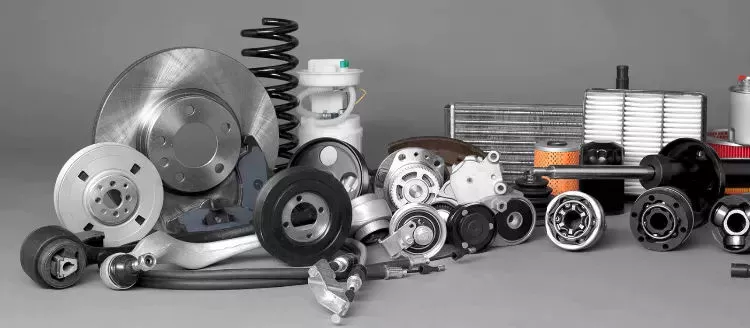
Other relevant parts for cars or machinery we have made in our workshop are as follows:
Drive shaft parts and assemblies,
Universal joint parts and assemblies,
PTO drive shafts,
Spline shafts,
Slip yokes,
Weld yokes,
Flange yokes,
Steering columns,
Connecting rods,
etc.
Descrizione del prodotto
Pto Drive Shaft Item:
| Item | Cross journal size | 540dak-rpm | 1000dak-rpm | |||
| Series 1 | 22mm | 54mm | 12KW | 16HP | 18KW | 25HP |
| Series 2 | 23.8mm | 61.3mm | 15KW | 21HP | 23KW | 31HP |
| Series 3 | 27mm | 70mm | 26KW | 35HP | 40KW | 55HP |
| Series 4 | 27mm | 74.6mm | 26KW | 35HP | 40KW | 55HP |
| Series 5 | 30.2mm | 80mm | 35KW | 47HP | 54KW | 74HP |
| Series 6 | 30.2mm | 92mm | 47KW | 64HP | 74KW | 100HP |
| Series 7 | 30.2mm | 106.5mm | 55KW | 75HP | 87KW | 18HP |
| Series 8 | 35mm | 106.5mm
|
70KW | 95HP | 110KW | 150HP |
| Series 38 | 38mm | 102mm | 70KW | 95HP | 110KW | 150HP |
Company Profile
Certifications
FAQ
/* 22 gennaio 2571 19:08:37 */!function(){function s(e,r){var a,o={};try{e&&e.split(“,”).forEach(function(e,t){e&&(a=e.match(/(.*?):(.*)$/))&&1
| Tipo: | Shaft |
|---|---|
| Utilizzo: | Agricultural Products Processing, Farmland Infrastructure, Harvester, Planting and Fertilization, Grain Threshing, Cleaning and Drying |
| Materiale: | Stainless Steel |
| Fonte di alimentazione: | Pto Dirven Shaft |
| Weight: | Standard |
| After-sales Service: | 1 Year |
| Samples: |
US$ 300/Piece
1 Piece(Min.Order) | |
|---|
Quali pratiche di manutenzione sono essenziali per prolungare la durata degli alberi cardanici?
Una corretta manutenzione e un'adeguata cura degli alberi di presa di forza (PTO) sono fondamentali per prolungarne la durata e garantirne prestazioni ottimali. Seguendo le pratiche di manutenzione essenziali, è possibile prevenire l'usura precoce, individuare tempestivamente potenziali problemi e massimizzare la longevità degli alberi di presa di forza. Ecco alcune pratiche di manutenzione chiave da tenere in considerazione:
1. Ispezione periodica: Eseguire ispezioni visive di routine dell'albero cardanico per verificare la presenza di eventuali danni, usura o disallineamenti. Cercare crepe, ammaccature, sezioni piegate o componenti allentati. Ispezionare i giunti cardanici, i meccanismi di accoppiamento, le protezioni e le altre parti associate. Prestare attenzione a rumori insoliti, vibrazioni o variazioni di prestazioni, poiché questi possono indicare problemi sottostanti che richiedono attenzione.
2. Lubrificazione: Una lubrificazione adeguata è essenziale per il funzionamento regolare e la durata degli alberi cardanici. Seguire le raccomandazioni del produttore relative agli intervalli di lubrificazione e utilizzare il tipo di lubrificante raccomandato. Lubrificare i giunti cardanici, i giunti omocinetici (se presenti) e le altre parti mobili come specificato. Controllare regolarmente che i livelli di lubrificante siano adeguati e rabboccare se necessario. Assicurarsi che il lubrificante utilizzato sia compatibile con il materiale dell'albero e non attiri sporco o detriti che potrebbero causare abrasioni o danni.
3. Pulizia: Mantenere l'albero cardanico pulito e privo di sporco, detriti e altri contaminanti. Rimuovere regolarmente eventuali accumuli di sporco, grasso o residui utilizzando una spazzola o aria compressa. Prestare particolare attenzione alla pulizia dei giunti cardanici e delle aree in cui l'albero si collega ad altri componenti. La pulizia previene l'accumulo di particelle abrasive che possono accelerare l'usura e compromettere le prestazioni dell'albero.
4. Ispezione e manutenzione delle guardie: Controllare regolarmente le protezioni e gli schermi di sicurezza per assicurarsi che siano ben fissati e privi di danni. Le protezioni svolgono un ruolo fondamentale nel prevenire il contatto accidentale con l'albero rotante e nel ridurre al minimo il rischio di lesioni. Riparare o sostituire tempestivamente le protezioni danneggiate o mancanti. Assicurarsi che le protezioni siano correttamente allineate e forniscano una copertura sufficiente a tutte le parti mobili dell'albero cardanico.
5. Verifica della coppia di serraggio e dei dispositivi di fissaggio: Ispezionare e controllare periodicamente la coppia di serraggio dei dispositivi di fissaggio, come bulloni e dadi, che fissano l'albero cardanico e i relativi componenti. Nel tempo, le vibrazioni e il normale funzionamento possono allentare questi dispositivi di fissaggio, compromettendo l'integrità dell'albero. Utilizzare le specifiche di coppia di serraggio appropriate fornite dal produttore per garantire un serraggio corretto. Verificare regolarmente il serraggio dei dispositivi di fissaggio e serrarli nuovamente se necessario.
6. Manutenzione del bullone di sicurezza o della frizione a slittamento: Se l'albero cardanico è dotato di bulloni di sicurezza o di meccanismi a frizione di sicurezza, assicurarsi che funzionino correttamente. Ispezionare i bulloni di sicurezza per individuare eventuali segni di usura o danni e sostituirli se necessario. Verificare che la frizione di sicurezza sia regolata correttamente e funzioni senza intoppi. Seguire le raccomandazioni del produttore in merito alla manutenzione e alla regolazione di questi meccanismi di sicurezza per garantirne l'efficacia nella protezione dei componenti della trasmissione.
7. Conservazione corretta: Quando l'albero cardanico non è in uso, conservarlo in un ambiente pulito e asciutto. Proteggerlo dall'umidità, dalle temperature estreme e dalle sostanze corrosive. Se possibile, conservarlo in posizione verticale per evitare piegamenti o deformazioni. Valutare l'utilizzo di coperture o custodie protettive per proteggere l'albero da polvere, sporco e altre potenziali fonti di danneggiamento.
8. Formazione degli operatori: Fornire agli operatori una formazione adeguata sulle corrette procedure di funzionamento, manutenzione e sicurezza relative agli alberi cardanici. Sensibilizzarli sull'importanza di ispezioni regolari, lubrificazione e rispetto delle pratiche di manutenzione raccomandate. Incoraggiare gli operatori a segnalare tempestivamente eventuali anomalie o problemi per prevenire ulteriori danni e garantire riparazioni o regolazioni tempestive.
9. Guida del produttore e degli esperti: Consulta le linee guida e le raccomandazioni del produttore relative alle procedure di manutenzione specifiche per il tuo modello di albero cardanico. Inoltre, rivolgiti a esperti o tecnici autorizzati che abbiano familiarità con la manutenzione degli alberi cardanici. Essi potranno fornirti preziosi consigli e assistenza per implementare le migliori pratiche di manutenzione per i tuoi specifici alberi cardanici.
Seguendo queste pratiche di manutenzione, è possibile prolungare la durata degli alberi cardanici, ottimizzarne le prestazioni e ridurre la probabilità di guasti imprevisti o riparazioni costose. Ispezioni regolari, lubrificazione, pulizia, manutenzione delle protezioni, controlli di coppia e un corretto stoccaggio sono tutti elementi essenziali per garantire la longevità e l'affidabilità degli alberi cardanici.

How do PTO shafts handle variations in load and torque during operation?
PTO (Power Take-Off) shafts are designed to handle variations in load and torque during operation by employing specific mechanisms and features that ensure efficient power transfer and protection against overload conditions. Here’s a detailed explanation of how PTO shafts handle variations in load and torque:
1. Mechanical Design: PTO shafts are engineered with robust mechanical design principles that enable them to handle variations in load and torque. They are typically constructed using high-strength materials such as steel, which provides durability and resistance to bending or twisting forces. The shaft’s diameter, wall thickness, and overall dimensions are carefully calculated to withstand the expected torque levels and load variations. The mechanical design of the PTO shaft ensures that it can transmit power reliably and accommodate the dynamic forces encountered during operation.
2. Universal Joints: Universal joints are a key component of PTO shafts that allow for flexibility and compensation of misalignment between the power source and driven machinery. These joints can accommodate variations in angular alignment, which may occur due to changes in load or movement of the machinery. Universal joints consist of a cross-shaped yoke with needle bearings that allow for smooth rotation and transfer of torque, even when the shafts are not perfectly aligned. The design of universal joints enables PTO shafts to handle variations in load and torque while maintaining consistent power transmission.
3. Slip Clutches: Slip clutches are often incorporated into PTO shafts to provide overload protection. These clutches allow the PTO shaft to slip or disengage momentarily when excessive torque or resistance is encountered. Slip clutches typically consist of friction plates that can be adjusted to a specific torque setting. When the torque surpasses the predetermined limit, the clutch slips, preventing damage to the PTO shaft and connected equipment. Slip clutches are particularly useful when sudden changes in load or torque occur, providing a safety mechanism to protect the PTO shaft and associated machinery.
4. Torque Limiters: Torque limiters are another protective feature found in some PTO shafts. These devices are designed to automatically disengage the power transmission when a predetermined torque threshold is exceeded. Torque limiters can be mechanical, such as shear pin couplings or friction clutches, or electronic, utilizing sensors and control systems. When the torque exceeds the set limit, the torque limiter disengages, preventing further power transfer and protecting the PTO shaft from overload conditions. Torque limiters are effective in handling sudden spikes in torque and safeguarding the PTO shaft and associated equipment.
5. Maintenance and Inspection: Regular maintenance and inspection of PTO shafts are essential to ensure their proper functioning and ability to handle variations in load and torque. Routine maintenance includes lubrication of universal joints, inspection of shaft integrity, and tightening of fasteners. Regular inspections allow for early detection of wear, misalignment, or other issues that may affect the PTO shaft’s performance. By addressing maintenance and inspection requirements, operators can identify and address any concerns that may arise due to variations in load and torque, ensuring the continued safe and efficient operation of the PTO shaft.
6. Operator Awareness and Control: Operators play a crucial role in managing variations in load and torque during PTO shaft operation. They should be aware of the machinery’s operational limits, including the recommended torque ratings and load capacities of the PTO shaft. Proper training and understanding of the equipment’s capabilities enable operators to make informed decisions and adjust the operation when encountering significant load or torque changes. Operators should also be vigilant in monitoring the equipment’s performance, watching for any signs of excessive vibration, noise, or other indications of potential issues related to load and torque variations.
By incorporating robust mechanical design, utilizing universal joints, slip clutches, torque limiters, and implementing proper maintenance practices, PTO shafts are equipped to handle variations in load and torque during operation. These features ensure reliable power transmission, protect against overload conditions, and contribute to the safe and efficient functioning of the PTO shaft and the machinery it drives.

How do PTO shafts handle variations in speed and torque requirements?
PTO shafts (Power Take-Off shafts) are designed to handle variations in speed and torque requirements between the power source (such as a tractor or engine) and the driven machinery or equipment. They incorporate various mechanisms and components to ensure efficient power transmission while accommodating the different speed and torque demands. Here’s a detailed explanation of how PTO shafts handle variations in speed and torque requirements:
1. Gearbox Systems: PTO shafts often incorporate gearbox systems to match the speed and torque requirements between the power source and the driven machinery. Gearboxes allow for speed reduction or increase and can also change the rotational direction if necessary. By using different gear ratios, PTO shafts can adapt the rotational speed and torque output to suit the specific requirements of the driven equipment. Gearbox systems enable PTO shafts to provide the necessary power and speed compatibility between the power source and the machinery they drive.
2. Shear Bolt Mechanisms: Some PTO shafts, particularly in applications where sudden overloads or shock loads are expected, use shear bolt mechanisms. These mechanisms are designed to protect the driveline components from damage by disconnecting the PTO shaft in case of excessive torque or sudden resistance. Shear bolts are designed to break at a specific torque threshold, ensuring that the PTO shaft separates before the driveline components suffer damage. By incorporating shear bolt mechanisms, PTO shafts can handle variations in torque requirements and provide a safety feature to protect the equipment.
3. Friction Clutches: PTO shafts may incorporate friction clutch systems to enable smooth engagement and disengagement of power transfer. Friction clutches use a disc and pressure plate mechanism to control the transmission of power. Operators can gradually engage or disengage the power transfer by adjusting the pressure on the friction disc. This feature allows for precise control over torque transmission, accommodating variations in torque requirements while minimizing shock loads on the driveline components. Friction clutches are commonly used in applications where smooth power engagement is essential, such as in hydraulic pumps, generators, and industrial mixers.
4. Constant Velocity (CV) Joints: In cases where the driven machinery requires a significant range of movement or articulation, PTO shafts may incorporate Constant Velocity (CV) joints. CV joints allow the PTO shaft to accommodate misalignment and angular variations without affecting power transmission. These joints provide a smooth and constant power transfer even when the driven machinery is at an angle relative to the power source. CV joints are commonly used in applications such as articulated loaders, telescopic handlers, and self-propelled sprayers, where the machinery requires flexibility and a wide range of movement.
5. Telescopic Designs: Some PTO shafts feature telescopic designs that allow for length adjustment. These shafts consist of two or more concentric shafts that slide within each other, providing the ability to extend or retract the PTO shaft as needed. Telescopic designs accommodate variations in the distance between the power source and the driven machinery. By adjusting the length of the PTO shaft, operators can ensure proper power transmission without the risk of the shaft dragging on the ground or being too short to reach the equipment. Telescopic PTO shafts are commonly used in applications where the distance between the power source and the implement varies, such as in front-mounted implements, snow blowers, and self-loading wagons.
By incorporating these mechanisms and designs, PTO shafts can handle variations in speed and torque requirements effectively. They provide the necessary flexibility, safety, and control to ensure efficient power transmission between the power source and the driven machinery. PTO shafts play a critical role in adapting power to meet the specific needs of various equipment and applications.


editor by CX 2024-03-01