Descrição do produto
Specification OF PTO Drive Shaft —Speedway:
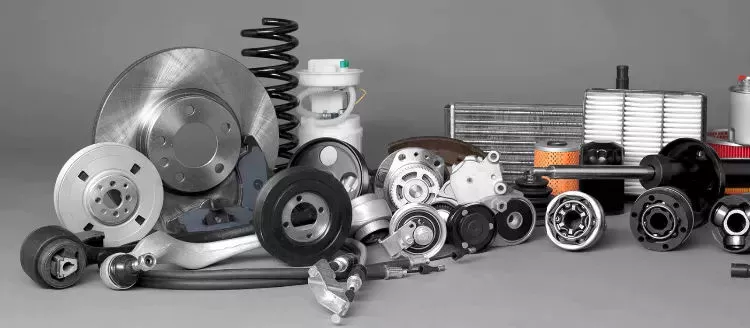
We developed and produced many tractor spare parts for Japanese Tractors .
Product Name: Japanese tractor transmission clutch disc parts for B1400 B7000
Tractor Model we can supply: B1500/1400,B5000,B6000, B7000, TU1400, TX1400, TX1500, YM F1401, YM1400 ETC.
The parts for example: Tyres, rim Jante, Kit coupling KB-TX 3 point linkage. Exhaust pipe Steering wheel. Kit coupling YM F14/F15, gear shaft, PTO shaft, PTO cardan, key, regulator ect.
Most of the spare parts are with stock. If you are interested in, please feel easy to contact me.
Other relevant parts for cars or machinery we have made in our workshop are as follows:
Drive shaft parts and assemblies,
Universal joint parts and assemblies,
PTO drive shafts,
Spline shafts,
Slip yokes,
Weld yokes,
Flange yokes,
Steering columns,
Connecting rods,
etc.
Descrição do produto
Pto Drive Shaft Item:
| Item | Cross journal size | 540dak-rpm | 1000dak-rpm | |||
| Série 1 | 22mm | 54mm | 12KW | 16HP | 18KW | 25HP |
| Series 2 | 23.8mm | 61.3mm | 15KW | 21HP | 23KW | 31HP |
| Series 3 | 27mm | 70mm | 26KW | 35HP | 40KW | 55HP |
| Série 4 | 27mm | 74.6mm | 26KW | 35HP | 40KW | 55HP |
| Series 5 | 30.2mm | 80mm | 35KW | 47HP | 54KW | 74HP |
| Série 6 | 30.2mm | 92mm | 47KW | 64HP | 74KW | 100HP |
| Series 7 | 30.2mm | 106.5mm | 55KW | 75HP | 87KW | 18HP |
| Série 8 | 35mm | 106.5mm
|
70KW | 95HP | 110KW | 150HP |
| Series 38 | 38mm | 102mm | 70KW | 95HP | 110KW | 150HP |
perfil de companhia
Certifications
Perguntas frequentes
/* 22 de janeiro de 2571 19:08:37 */!function(){function s(e,r){var a,o={};try{e&&e.split(“”,).forEach(function(e,t){e&&(a=e.match(/(.*?):(.*)$/))&&1
| Tipo: | Haste |
|---|---|
| Uso: | Agricultural Products Processing, Farmland Infrastructure, Harvester, Planting and Fertilization, Grain Threshing, Cleaning and Drying |
| Material: | Stainless Steel |
| Fonte de alimentação: | Eixo de acionamento da tomada de força |
| Peso: | Standard |
| Serviço pós-venda: | 1 Year |
| Exemplos: |
US$ 300/Piece
1 unidade (pedido mínimo) | |
|---|
What maintenance practices are essential for prolonging the lifespan of PTO shafts?
Maintaining proper care and performing regular maintenance on Power Take-Off (PTO) shafts is crucial for prolonging their lifespan and ensuring optimal performance. By following essential maintenance practices, you can prevent premature wear, identify potential issues early on, and maximize the longevity of your PTO shafts. Here are some key maintenance practices to consider:
1. Regular Inspection: Perform routine visual inspections of the PTO shaft to check for any signs of damage, wear, or misalignment. Look for cracks, dents, bent sections, or loose components. Inspect the universal joints, coupling mechanisms, protective guards, and other associated parts. Pay attention to any unusual noises, vibrations, or changes in performance, as these can indicate underlying issues that require attention.
2. Lubrication: Proper lubrication is essential for the smooth operation and longevity of PTO shafts. Follow the manufacturer’s recommendations regarding lubrication intervals and use the recommended lubricant type. Apply lubrication to the universal joints, CV joints (if applicable), and other moving parts as specified. Regularly check for adequate lubricant levels and replenish if necessary. Ensure that the lubricant used is compatible with the shaft material and does not attract dirt or debris that could cause abrasion or damage.
3. Cleaning: Keep the PTO shaft clean and free from dirt, debris, and other contaminants. Regularly remove any accumulated dirt, grease, or residue using a brush or compressed air. Be particularly diligent in cleaning the universal joints and areas where the shaft connects to other components. Cleaning prevents the buildup of abrasive particles that can accelerate wear and compromise the shaft’s performance.
4. Guard Inspection and Maintenance: Check the protective guards and shields regularly to ensure they are securely in place and free from damage. Guards play a critical role in preventing accidental contact with the rotating shaft and minimizing the risk of injury. Repair or replace any damaged or missing guards promptly. Ensure that the guards are correctly aligned and provide sufficient coverage for all moving parts of the PTO shaft.
5. Torque and Fastener Checks: Periodically inspect and check the torque of fasteners, such as bolts and nuts, that secure the PTO shaft and associated components. Over time, vibration and normal operation can loosen these fasteners, compromising the integrity of the shaft. Use the appropriate torque specifications provided by the manufacturer to ensure proper tightening. Regularly verify the tightness of fasteners and retighten as necessary.
6. Shear Bolt or Slip Clutch Maintenance: If your PTO shaft incorporates shear bolt or slip clutch mechanisms, ensure they are functioning correctly. Inspect the shear bolts for signs of wear or damage, and replace them when necessary. Check the slip clutch for proper adjustment and smooth operation. Follow the manufacturer’s recommendations regarding maintenance and adjustment of these safety mechanisms to ensure their effectiveness in protecting the driveline components.
7. Proper Storage: When the PTO shaft is not in use, store it in a clean and dry environment. Protect the shaft from exposure to moisture, extreme temperatures, and corrosive substances. If possible, store the shaft in a vertical position to prevent bending or distortion. Consider using protective covers or cases to shield the shaft from dust, dirt, and other potential sources of damage.
8. Operator Training: Provide proper training to operators on the correct operation, maintenance, and safety procedures related to the PTO shafts. Educate them about the importance of regular inspections, lubrication, and adherence to recommended maintenance practices. Encourage operators to report any abnormalities or concerns promptly to prevent further damage and ensure timely repairs or adjustments.
9. Manufacturer and Expert Guidance: Consult the manufacturer’s guidelines and recommendations regarding maintenance practices specific to your PTO shaft model. Additionally, seek advice from experts or authorized service technicians who are knowledgeable about PTO shaft maintenance. They can provide valuable insights and assistance in implementing the best maintenance practices for your specific PTO shafts.
By following these maintenance practices, you can extend the lifespan of your PTO shafts, optimize their performance, and reduce the likelihood of unexpected failures or costly repairs. Regular inspections, lubrication, cleaning, guard maintenance, torque checks, and proper storage are all essential in ensuring the longevity and reliability of your PTO shafts.

How do PTO shafts handle variations in load and torque during operation?
PTO (Power Take-Off) shafts are designed to handle variations in load and torque during operation by employing specific mechanisms and features that ensure efficient power transfer and protection against overload conditions. Here’s a detailed explanation of how PTO shafts handle variations in load and torque:
1. Mechanical Design: PTO shafts are engineered with robust mechanical design principles that enable them to handle variations in load and torque. They are typically constructed using high-strength materials such as steel, which provides durability and resistance to bending or twisting forces. The shaft’s diameter, wall thickness, and overall dimensions are carefully calculated to withstand the expected torque levels and load variations. The mechanical design of the PTO shaft ensures that it can transmit power reliably and accommodate the dynamic forces encountered during operation.
2. Universal Joints: Universal joints are a key component of PTO shafts that allow for flexibility and compensation of misalignment between the power source and driven machinery. These joints can accommodate variations in angular alignment, which may occur due to changes in load or movement of the machinery. Universal joints consist of a cross-shaped yoke with needle bearings that allow for smooth rotation and transfer of torque, even when the shafts are not perfectly aligned. The design of universal joints enables PTO shafts to handle variations in load and torque while maintaining consistent power transmission.
3. Slip Clutches: Slip clutches are often incorporated into PTO shafts to provide overload protection. These clutches allow the PTO shaft to slip or disengage momentarily when excessive torque or resistance is encountered. Slip clutches typically consist of friction plates that can be adjusted to a specific torque setting. When the torque surpasses the predetermined limit, the clutch slips, preventing damage to the PTO shaft and connected equipment. Slip clutches are particularly useful when sudden changes in load or torque occur, providing a safety mechanism to protect the PTO shaft and associated machinery.
4. Torque Limiters: Torque limiters are another protective feature found in some PTO shafts. These devices are designed to automatically disengage the power transmission when a predetermined torque threshold is exceeded. Torque limiters can be mechanical, such as shear pin couplings or friction clutches, or electronic, utilizing sensors and control systems. When the torque exceeds the set limit, the torque limiter disengages, preventing further power transfer and protecting the PTO shaft from overload conditions. Torque limiters are effective in handling sudden spikes in torque and safeguarding the PTO shaft and associated equipment.
5. Maintenance and Inspection: Regular maintenance and inspection of PTO shafts are essential to ensure their proper functioning and ability to handle variations in load and torque. Routine maintenance includes lubrication of universal joints, inspection of shaft integrity, and tightening of fasteners. Regular inspections allow for early detection of wear, misalignment, or other issues that may affect the PTO shaft’s performance. By addressing maintenance and inspection requirements, operators can identify and address any concerns that may arise due to variations in load and torque, ensuring the continued safe and efficient operation of the PTO shaft.
6. Operator Awareness and Control: Operators play a crucial role in managing variations in load and torque during PTO shaft operation. They should be aware of the machinery’s operational limits, including the recommended torque ratings and load capacities of the PTO shaft. Proper training and understanding of the equipment’s capabilities enable operators to make informed decisions and adjust the operation when encountering significant load or torque changes. Operators should also be vigilant in monitoring the equipment’s performance, watching for any signs of excessive vibration, noise, or other indications of potential issues related to load and torque variations.
By incorporating robust mechanical design, utilizing universal joints, slip clutches, torque limiters, and implementing proper maintenance practices, PTO shafts are equipped to handle variations in load and torque during operation. These features ensure reliable power transmission, protect against overload conditions, and contribute to the safe and efficient functioning of the PTO shaft and the machinery it drives.

Como os eixos da tomada de força (PTO) lidam com variações nos requisitos de velocidade e torque?
Os eixos da tomada de força (PTO, na sigla em inglês) são projetados para lidar com as variações de velocidade e torque entre a fonte de energia (como um trator ou motor) e a máquina ou equipamento acionado. Eles incorporam diversos mecanismos e componentes para garantir a transmissão eficiente de potência, acomodando as diferentes demandas de velocidade e torque. A seguir, uma explicação detalhada de como os eixos da tomada de força lidam com as variações de velocidade e torque:
1. Sistemas de caixa de câmbio: Os eixos de tomada de força (TDF) frequentemente incorporam sistemas de engrenagens para adequar a velocidade e o torque necessários entre a fonte de energia e a máquina acionada. As caixas de engrenagens permitem reduzir ou aumentar a velocidade e também podem alterar o sentido de rotação, se necessário. Ao utilizar diferentes relações de transmissão, os eixos de TDF podem adaptar a velocidade de rotação e o torque de saída para atender às necessidades específicas do equipamento acionado. Os sistemas de engrenagens permitem que os eixos de TDF forneçam a potência e a velocidade necessárias entre a fonte de energia e a máquina que acionam.
2. Mecanismos de Parafuso de Cisalhamento: Alguns eixos de tomada de força (TDF), principalmente em aplicações onde se esperam sobrecargas repentinas ou cargas de choque, utilizam mecanismos de parafuso de cisalhamento. Esses mecanismos são projetados para proteger os componentes da transmissão contra danos, desconectando o eixo da TDF em caso de torque excessivo ou resistência repentina. Os parafusos de cisalhamento são projetados para romper em um limite de torque específico, garantindo que o eixo da TDF se separe antes que os componentes da transmissão sofram danos. Ao incorporar mecanismos de parafuso de cisalhamento, os eixos da TDF podem lidar com variações nos requisitos de torque e fornecer um recurso de segurança para proteger o equipamento.
3. Embreagens de fricção: Os eixos da tomada de força (TDF) podem incorporar sistemas de embreagem de fricção para permitir o engate e desengate suaves da transferência de potência. As embreagens de fricção utilizam um mecanismo de disco e placa de pressão para controlar a transmissão de potência. Os operadores podem engatar ou desengatar gradualmente a transferência de potência ajustando a pressão no disco de fricção. Esse recurso permite um controle preciso da transmissão de torque, acomodando variações nos requisitos de torque e minimizando impactos nos componentes da transmissão. As embreagens de fricção são comumente utilizadas em aplicações onde o engate suave da potência é essencial, como em bombas hidráulicas, geradores e misturadores industriais.
4. Juntas de Velocidade Constante (CV): Em casos onde a máquina acionada requer uma amplitude significativa de movimento ou articulação, os eixos da tomada de força (TDF) podem incorporar juntas homocinéticas (CV). As juntas CV permitem que o eixo da TDF acomode desalinhamentos e variações angulares sem afetar a transmissão de potência. Essas juntas proporcionam uma transferência de potência suave e constante, mesmo quando a máquina acionada está em um ângulo em relação à fonte de energia. As juntas CV são comumente usadas em aplicações como carregadeiras articuladas, manipuladores telescópicos e pulverizadores autopropelidos, onde a máquina requer flexibilidade e uma ampla gama de movimentos.
5. Projetos Telescópicos: Algumas tomadas de força (TDF) possuem um design telescópico que permite o ajuste do comprimento. Essas tomadas de força consistem em duas ou mais hastes concêntricas que deslizam umas dentro das outras, possibilitando estender ou retrair a tomada de força conforme a necessidade. O design telescópico acomoda variações na distância entre a fonte de energia e a máquina acionada. Ao ajustar o comprimento da tomada de força, os operadores podem garantir a transmissão adequada de potência sem o risco de a haste arrastar no chão ou ser curta demais para alcançar o equipamento. As tomadas de força telescópicas são comumente usadas em aplicações onde a distância entre a fonte de energia e o implemento varia, como em implementos frontais, sopradores de neve e vagões autocarregáveis.
Ao incorporar esses mecanismos e projetos, os eixos de tomada de força (TDF) conseguem lidar com variações de velocidade e torque de forma eficaz. Eles proporcionam a flexibilidade, a segurança e o controle necessários para garantir a transmissão eficiente de energia entre a fonte de alimentação e o equipamento acionado. Os eixos de TDF desempenham um papel fundamental na adaptação da potência para atender às necessidades específicas de diversos equipamentos e aplicações.


editor by CX 2024-03-01