Descrizione del prodotto
Product Specifications:
| Model | BX92RS |
| Chipper Capacity | 250mm/10” |
| Chipper Housing Opening | 10”x15” |
| No.of Knives | 4 |
| Rotor Size | 36” |
| Feeding System Feed | Hydraulic Feed |
| Hopper Folded | 66”Lx68”Wx90”H |
| Hopper Opening | 25”x25” |
| Mounting System | 3 Point Hitch |
| Discharge Hood Rotation | 360˚ |
| Discharge Hood Height | 90” |
| Structure Weight | 625kg |
| Tractor HP | 70-120hp |
Product Description:
The BX92RS Hydraulic PTO Wood Chipper has a 9″ chipper capacity and a 10.5″ x 14″ chipper housing opening and is fitted with a 125kg heavyweight Rotor. This model Wood Chipper has a direct hydraulic feed from the tractor hydraulic rear connection plugs.
Direct PTO drive that operates as a fix drive system and without the use of gears and belt drives and this model is fitted standard with easily replaceable blades by removing 3 removable bolt for simple and easy access to the top half of housing and the hopper can also be fully opened with 2 removable bolts.
This model Wood Chipper has a full hydraulic feed system that allows for fast, medium or slow flow rate settings and with its 3 feed setting options from feed direction of forward, reverse and neutral settings.
The Hydraulic model allows for consistent chipping as the Hydraulic System has double support arms from both sides of the internal hopper with drive force from its hydraulic motor and with a Dual Barrel System that enables dragging motion for consistent cutting.
The Hydraulic Feed Chipper model is a simple and low maintenance chipper and able to handle the hardest and knotted wood.
Our advantages:
A whole complete set of production equipment lead to short lead time and better prices of machine.
Guarantee 1 year warranty of all our products.
Produce machines according to any requirements from our customers.
New machines will be developed every year.
Every model of our machine will be tested before the delivery to the port.
If you want to visit our factory, our boss will give you a best reception.
Beautiful gifts will be provided for all of our customers before every year’s Christmas.
Work shop and office:
Welding:
Blade shaft:
Laser equipment:
Office:
Rest place:
Assembly:
Finished machines:
CNC:
/* March 10, 2571 17:59:20 */!function(){function s(e,r){var a,o={};try{e&&e.split(“,”).forEach(function(e,t){e&&(a=e.match(/(.*?):(.*)$/))&&1
| After-sales Service: | Within One Hour |
|---|---|
| Warranty: | One Year |
| Color: | Customsized |
| Logo: | OEM |
| Feeding System: | Hydraulic Feed |
| Rotor Size: | 36′′ |
| Personalizzazione: |
Disponibile
| Richiesta personalizzata |
|---|
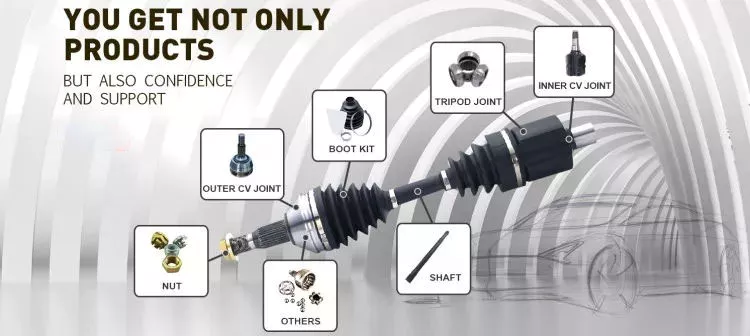
What factors should be considered when selecting the right PTO shaft for an application?
When selecting the right Power Take-Off (PTO) shaft for an application, several factors need to be considered to ensure optimal performance, safety, and compatibility. PTO shafts are crucial components that transmit power from a power source to driven machinery or equipment. Here are the key factors to consider when selecting the appropriate PTO shaft for an application:
1. Power Requirements: The power requirements of the driven machinery play a vital role in determining the appropriate PTO shaft. Consider the horsepower (HP) or kilowatt (kW) rating of the power source and ensure that the PTO shaft can handle the required power transmission. It is essential to match the power capacity of the PTO shaft with the power output of the power source to ensure efficient and reliable operation.
2. Speed and Torque Requirements: Consider the speed and torque requirements of the driven machinery. Determine the desired rotational speed and torque levels necessary for the equipment to operate effectively. Some applications require specific speed or torque ratios, while others may require variable speeds. Ensure that the selected PTO shaft can handle the required speed and torque range to provide the necessary power transfer.
3. Shaft Type and Design: Evaluate the type and design of the PTO shaft to ensure compatibility with the application. Consider factors such as the distance between the power source and the driven machinery, the need for angular misalignment, and the flexibility of movement required. Different shaft types, such as standard, telescopic, or Constant Velocity (CV) shafts, offer varying capabilities to accommodate different application requirements.
4. Safety Considerations: Safety is a critical factor when selecting a PTO shaft. Assess the safety features provided by the PTO shaft, such as protective guards, shear bolt mechanisms, or other safety devices. Protective guards should be in place to prevent accidental contact with the rotating shaft. Shear bolt mechanisms can protect the driveline components from damage in case of excessive torque or sudden resistance. Prioritize safety features that align with the specific hazards and risks associated with the application.
5. Application Specifics: Consider the unique requirements of the application. Factors such as the type of machinery, industry sector, environmental conditions, and operating conditions should be taken into account. For example, agricultural applications may require PTO shafts that can handle debris and dirt accumulation, while industrial applications may require PTO shafts with high corrosion resistance or special sealing to protect against contaminants.
6. Compatibility and Interchangeability: Ensure that the selected PTO shaft is compatible with the power source and the driven machinery. Consider factors such as the shaft diameter, spline size, and connection type. Check if the PTO shaft adheres to industry standards and if it can be easily interchanged with other compatible components in case of replacement or upgrading needs. Compatibility and interchangeability can simplify maintenance and reduce downtime.
7. Manufacturer and Quality: Choose a reputable manufacturer or supplier to ensure the quality and reliability of the PTO shaft. Look for manufacturers with a track record of producing high-quality PTO shafts that meet industry standards and regulations. Consider factors such as warranty, after-sales support, and availability of spare parts when making a selection.
By considering these factors, you can select the right PTO shaft that meets the power, speed, torque, safety, and application requirements. It is advisable to consult with experts, such as equipment manufacturers or PTO shaft specialists, to ensure an optimal match between the PTO shaft and the application.

How do PTO shafts handle variations in load and torque during operation?
PTO (Power Take-Off) shafts are designed to handle variations in load and torque during operation by employing specific mechanisms and features that ensure efficient power transfer and protection against overload conditions. Here’s a detailed explanation of how PTO shafts handle variations in load and torque:
1. Mechanical Design: PTO shafts are engineered with robust mechanical design principles that enable them to handle variations in load and torque. They are typically constructed using high-strength materials such as steel, which provides durability and resistance to bending or twisting forces. The shaft’s diameter, wall thickness, and overall dimensions are carefully calculated to withstand the expected torque levels and load variations. The mechanical design of the PTO shaft ensures that it can transmit power reliably and accommodate the dynamic forces encountered during operation.
2. Universal Joints: Universal joints are a key component of PTO shafts that allow for flexibility and compensation of misalignment between the power source and driven machinery. These joints can accommodate variations in angular alignment, which may occur due to changes in load or movement of the machinery. Universal joints consist of a cross-shaped yoke with needle bearings that allow for smooth rotation and transfer of torque, even when the shafts are not perfectly aligned. The design of universal joints enables PTO shafts to handle variations in load and torque while maintaining consistent power transmission.
3. Slip Clutches: Slip clutches are often incorporated into PTO shafts to provide overload protection. These clutches allow the PTO shaft to slip or disengage momentarily when excessive torque or resistance is encountered. Slip clutches typically consist of friction plates that can be adjusted to a specific torque setting. When the torque surpasses the predetermined limit, the clutch slips, preventing damage to the PTO shaft and connected equipment. Slip clutches are particularly useful when sudden changes in load or torque occur, providing a safety mechanism to protect the PTO shaft and associated machinery.
4. Torque Limiters: Torque limiters are another protective feature found in some PTO shafts. These devices are designed to automatically disengage the power transmission when a predetermined torque threshold is exceeded. Torque limiters can be mechanical, such as shear pin couplings or friction clutches, or electronic, utilizing sensors and control systems. When the torque exceeds the set limit, the torque limiter disengages, preventing further power transfer and protecting the PTO shaft from overload conditions. Torque limiters are effective in handling sudden spikes in torque and safeguarding the PTO shaft and associated equipment.
5. Maintenance and Inspection: Regular maintenance and inspection of PTO shafts are essential to ensure their proper functioning and ability to handle variations in load and torque. Routine maintenance includes lubrication of universal joints, inspection of shaft integrity, and tightening of fasteners. Regular inspections allow for early detection of wear, misalignment, or other issues that may affect the PTO shaft’s performance. By addressing maintenance and inspection requirements, operators can identify and address any concerns that may arise due to variations in load and torque, ensuring the continued safe and efficient operation of the PTO shaft.
6. Operator Awareness and Control: Operators play a crucial role in managing variations in load and torque during PTO shaft operation. They should be aware of the machinery’s operational limits, including the recommended torque ratings and load capacities of the PTO shaft. Proper training and understanding of the equipment’s capabilities enable operators to make informed decisions and adjust the operation when encountering significant load or torque changes. Operators should also be vigilant in monitoring the equipment’s performance, watching for any signs of excessive vibration, noise, or other indications of potential issues related to load and torque variations.
By incorporating robust mechanical design, utilizing universal joints, slip clutches, torque limiters, and implementing proper maintenance practices, PTO shafts are equipped to handle variations in load and torque during operation. These features ensure reliable power transmission, protect against overload conditions, and contribute to the safe and efficient functioning of the PTO shaft and the machinery it drives.

Potresti spiegarmi i diversi tipi di alberi cardanici e le loro applicazioni?
Gli alberi di presa di forza (PTO, Power Take-Off) sono disponibili in diverse tipologie, ognuna progettata per applicazioni ed esigenze specifiche. Le diverse tipologie di alberi PTO offrono versatilità e compatibilità con un'ampia gamma di macchinari e attrezzature. Ecco una spiegazione delle tipologie più comuni di alberi PTO e delle loro applicazioni:
1. Albero cardanico standard: L'albero cardanico standard, noto anche come albero scanalato, è il tipo più comune utilizzato nelle macchine agricole e industriali. È costituito da un albero in acciaio massiccio con scanalature lungo tutta la sua lunghezza. L'albero cardanico standard ha tipicamente sei scanalature, sebbene si possano trovare varianti con quattro o otto scanalature. Questo tipo di albero cardanico è ampiamente utilizzato nei trattori e in diverse attrezzature, tra cui falciatrici, presse, fresatrici e trinciatrici rotative. Le scanalature garantiscono un collegamento sicuro tra la fonte di energia e il macchinario azionato, assicurando un efficiente trasferimento di potenza.
2. Albero cardanico con bullone di sicurezza: Gli alberi cardanici con bullone di sicurezza sono progettati con un dispositivo di sicurezza che permette la separazione dell'albero in caso di sovraccarico o urto improvviso, proteggendo così i componenti della trasmissione. Questi alberi cardanici incorporano un meccanismo a bullone di sicurezza che collega la presa di forza del trattore al macchinario azionato. In caso di carico eccessivo o resistenza improvvisa, il bullone di sicurezza è progettato per rompersi, disconnettendo l'albero cardanico e prevenendo danni alla trasmissione. Gli alberi cardanici con bullone di sicurezza sono comunemente utilizzati in macchinari che possono incontrare ostacoli improvvisi o situazioni di forte stress, come cippatrici, fresaceppi e troncatrici rotative per impieghi gravosi.
3. Albero cardanico della frizione: Gli alberi di presa di forza con frizione a disco sono dotati di un meccanismo di frizione che consente un innesto e un disinnesto graduali della trasmissione di potenza. Questi alberi di presa di forza incorporano in genere un disco di attrito e una piastra di pressione, analogamente a un sistema di frizione tradizionale per veicoli. La frizione a disco permette agli operatori di innestare o disinnestare gradualmente la trasmissione di potenza, riducendo i carichi d'urto e minimizzando l'usura dei componenti della trasmissione. Gli alberi di presa di forza con frizione a disco sono comunemente utilizzati in applicazioni in cui è richiesto un controllo preciso dell'innesto della potenza, come ad esempio nelle pompe idrauliche, nei generatori e nei miscelatori industriali.
4. Albero cardanico a velocità costante (CV): Gli alberi cardanici a velocità costante (CV), noti anche come alberi omocinetici, sono progettati per compensare ampi angoli di disallineamento senza compromettere la trasmissione di potenza. Utilizzano un meccanismo a giunto cardanico che consente un trasferimento di potenza fluido anche quando il macchinario azionato si trova inclinato rispetto alla fonte di energia. Gli alberi cardanici a velocità costante sono spesso impiegati in applicazioni in cui il macchinario richiede un'ampia gamma di movimento o articolazione, come ad esempio nelle pale gommate articolate, nei sollevatori telescopici e negli irroratori semoventi.
5. Albero cardanico telescopico: Gli alberi di presa di forza telescopici sono regolabili in lunghezza, offrendo flessibilità nella configurazione delle attrezzature e consentendo di variare la distanza tra la fonte di energia e il macchinario azionato. Sono costituiti da due o più alberi concentrici che scorrono l'uno sull'altro, permettendo di estendere o ritrarre l'albero di presa di forza secondo necessità. Gli alberi di presa di forza telescopici sono comunemente utilizzati in applicazioni in cui la distanza tra la presa di forza del trattore e l'attrezzo varia, come ad esempio negli attrezzi anteriori, nelle frese da neve e nei rimorchi autocaricanti. Il design telescopico consente un facile adattamento a diverse configurazioni delle attrezzature e riduce al minimo il rischio che l'albero di presa di forza tocchi il terreno.
6. Albero cardanico del cambio: Gli alberi cardanici con riduttore sono progettati per adattare la trasmissione di potenza tra diverse velocità o direzioni di rotazione. Incorporano un meccanismo di cambio che consente di ridurre o aumentare la velocità, nonché di cambiare il senso di rotazione. Gli alberi cardanici con riduttore sono comunemente utilizzati in applicazioni in cui il macchinario azionato richiede una velocità o un senso di rotazione diverso da quello della presa di forza del trattore. Esempi includono coclee per cereali, miscelatori per mangimi e attrezzature industriali che richiedono specifici rapporti di velocità o capacità di inversione.
È importante notare che la disponibilità e le applicazioni specifiche dei diversi tipi di alberi cardanici possono variare in base a fattori regionali e settoriali. Inoltre, alcuni macchinari o attrezzature potrebbero richiedere alberi cardanici specializzati o personalizzati per soddisfare esigenze specifiche.
In sintesi, i diversi tipi di alberi cardanici (PTO), come quelli standard, a bullone di sicurezza, a frizione, a velocità costante (CV), telescopici e per riduttori, offrono versatilità e compatibilità con diverse macchine e attrezzature. Ogni tipo di albero cardanico è progettato per soddisfare esigenze specifiche, come l'efficienza del trasferimento di potenza, la sicurezza, l'innesto fluido, la tolleranza al disallineamento, l'adattabilità e la regolazione di velocità e direzione. Comprendere i diversi tipi di alberi cardanici e le loro applicazioni è fondamentale per selezionare l'albero appropriato per la macchina in questione e garantire prestazioni e affidabilità ottimali.

editor by CX 2024-02-09